
Getting Around with Kids: Smart Use of Taxis, Trains & Strollers
※ This article contains affiliate links (ads).
On a trip, "getting around" may be the most tiring part with kids. Are taxis safe? Can we use the trains? What about a stroller? Here are the tricks our family uses to make local transport a little easier.
What you'll learn
- What cobblestones do to a suitcase and a pushchair
- The night traffic meant we could not get back to the hotel
- The city where a car moved at walking pace for thirty minutes
- How to choose between options, with children
1. Cobblestones matter more than you expect
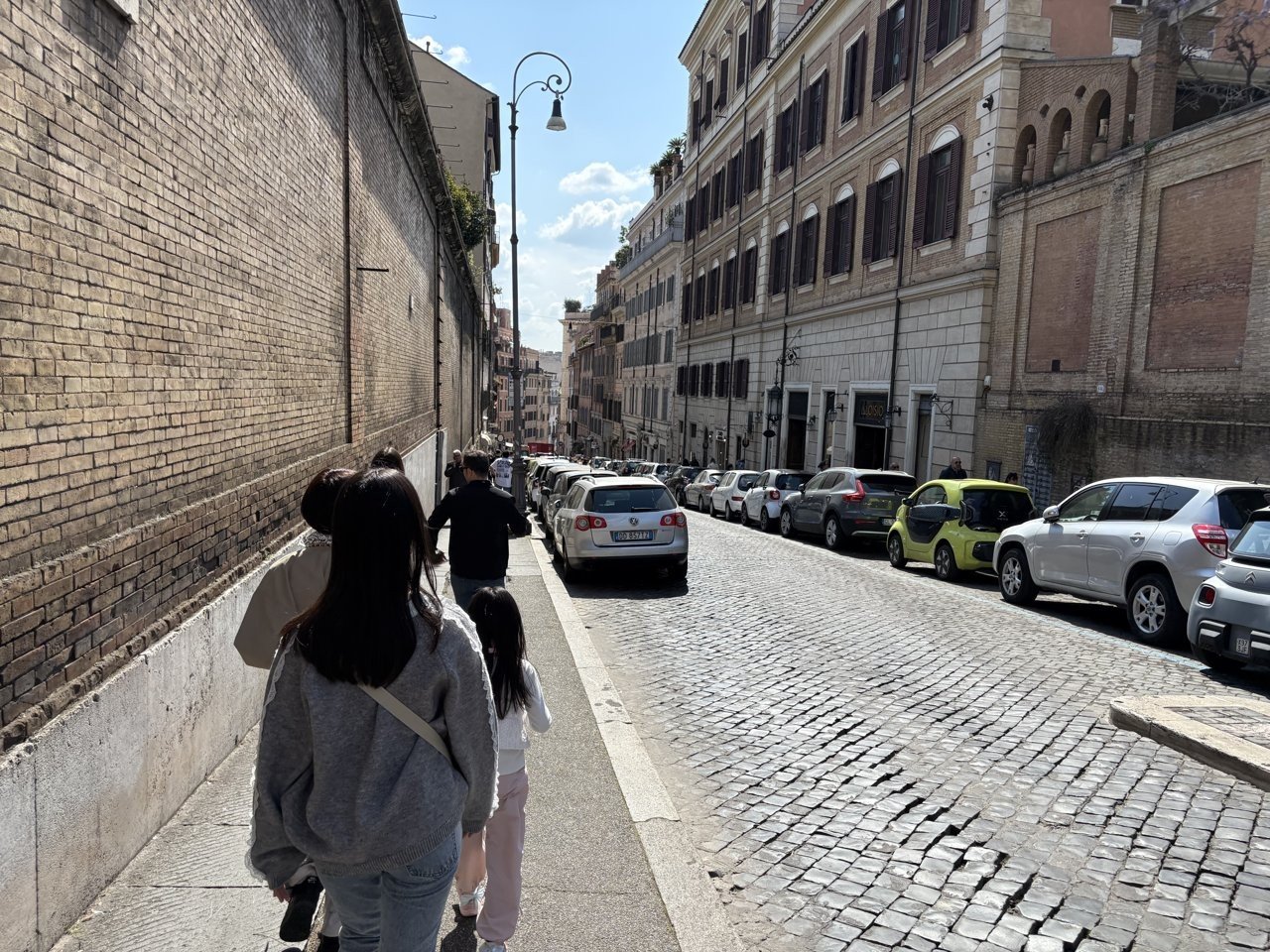
European old towns photograph beautifully. Assessed as somewhere to walk with children and luggage, they read differently.
Italy, and Florence in particular, has rough, uneven streets, and moving around was hard work. Getting a suitcase across them was a genuine struggle. Wheels catch in the gaps and refuse to roll straight. It is loud, and combined with a slope it becomes worse.
What follows from that is fairly clear:
- In cobbled cities, stay close to a station or stop. "Ten minutes' walk" over cobbles feels like twenty
- Choose a suitcase with large wheels. Small castors barely function on stone
- Comfortable shoes beat a pushchair. With steps and cobbles, carrying is often faster
The same applies to a city like Venice, full of bridges and steps: do not build an itinerary that assumes a pushchair.
2. Traffic left us unable to get back
The real difficulty was not the paving; it was traffic.
Spending New Year in Kuta, Bali, the roads gridlocked and we could not get back to our hotel. In the end we walked. Kuta over the New Year concentrates visitors and the roads simply fill.
Bangkok, as its reputation suggests, is severe. We once spent thirty minutes in a car moving at roughly walking pace. Sitting in a vehicle while walking would have been quicker.
With children this is not merely slow. They get bored, there is no toilet, and it is hot. Congestion costs stamina, not just time.
💡 Preparing for traffic: in cities known for it, double your travel-time estimates. And stay within walking distance — that is the real insurance. We got back that night in Kuta only because walking was possible at all.
3. In hot countries, walking is off the table
There is an opposite problem. In Malaysia we could not walk even to the local shops. Not the distance — the heat.
Everything therefore assumed a car, and we eventually settled on an eBike. There is more on that in "Six Years in Malaysia".
Which is to say: transport is decided by climate, road surface and congestion, not distance. Judging from the map alone will mislead you.
4. Choosing between the options
And some places simply do not work without a car. Okinawa was one: even getting from the resorts down to Naha needs one.

- Metro and rail: immune to traffic, which is the main thing. Do look up where the lifts are in advance
- Ride-hailing (Grab and similar): no language needed and the fare is known upfront, both valuable with children. But there are essentially no child seats
- Taxis: on a heavy-luggage day, still the fastest. In Hokkaido we combined trains and taxis to avoid driving on snow
- Walking: with cobbles, hills or heat, assume double the time
- Hire cars: strong outside cities, hopeless for parking in an old town
One thing holds across all of them: staying within walking distance is insurance against every transport problem. Traffic, rain, an exhausted child — none of it is fatal if you can walk back.
📌 Last updated: July 2026. Transport conditions and ride-hailing coverage change. Please check current information before you travel.
FAQ
Q. Should we bring a pushchair? A. It depends where. In cobbled, stepped cities such as Florence and Venice you will struggle. A carrier and good shoes worked better for us more often.
Q. Any trick for badly congested cities? A. Double your time estimates and stay within walking distance. In Kuta the traffic stopped us getting back and we walked; in Bangkok we once crawled at walking pace for thirty minutes.
Q. Is ride-hailing usable with children? A. Yes, and the fixed fare and lack of language barrier help. But plan on no child seats.
Related reading
- Getting around Malaysia → Six Years in Malaysia
- Walking Florence → Florence with Kids
- Packing → The Complete Family Packing List for Kids
This article is based on our family's actual journeys. Conditions change, so please check current information before you travel.
Useful for planning
PR: contains affiliate links.